
Rail Transition - Stuart Roberts

I joined the Royal Air Force in 2004 and served my country for six years. During my time in the military, I worked as a Weapons Technician for four years on 18 Squadron. As a Weapons Technician, I was responsible for maintaining and repairing the weapons systems used by my squadron. I was trained to work with a wide range of weaponry, from small arms to missiles, and I made sure that each weapon was fully operational and safe to use.
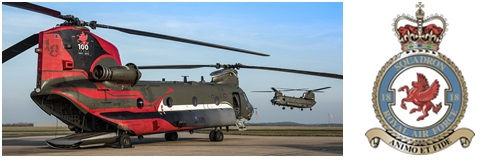
After completing my service with the Royal Air Force, I transitioned to civilian life. Although it was a significant change, I was excited to take on new challenges and apply the skills and experience I gained in the military to my civilian career.
Leaving the military was a scary prospect for me. I had been told that finding a civilian job that paid as well as my military job would be difficult, and the 12-month waiting period for my paid voluntary redundancy (PVR) only added to my anxiety. I felt like I was in limbo, not knowing what would happen next.
To test the waters, I put my CV online and was pleasantly surprised when I received 10 phone calls in just one day. This gave me a sense of confidence, as I realized that my skills were in demand outside of the military.
Four months before my PVR period ended, I had a job interview and was successful in obtaining a job that paid 20% more than my military salary. This was a huge relief, as it provided me with financial security and allowed me to begin my civilian career on a positive note. While leaving the military was a daunting experience, I was able to find success in the civilian job market and apply the skills I had learned in the military to my new career.
Since leaving the military, I have held nine positions within the railway industry, ranging from Technician to Project Support Engineer. Each of these positions was of my own choice, as I wanted to continue to challenge myself and develop new skills.
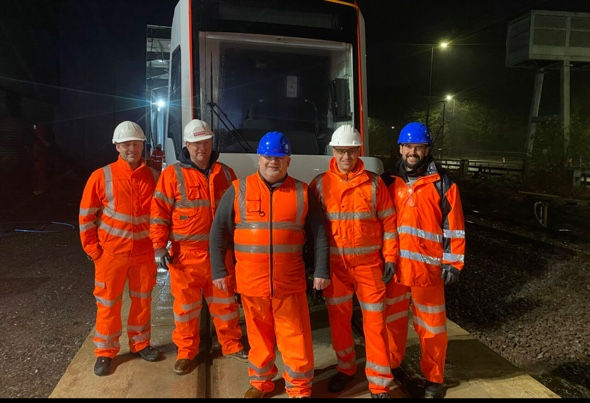
To my surprise, I found that my value in the civilian job market was far greater than I had expected. Employers were keen to hire individuals with military experience, as they recognized the valuable skills and expertise that veterans could bring to their organizations.
Throughout my career in the rail industry, I have been able to apply the skills and knowledge that I gained in the military, such as attention to detail, critical thinking, and leadership. These skills have been highly sought after by employers and have helped me to progress in my career.
Overall, while leaving the military was a daunting experience, I have been able to build a successful career in the railway and demonstrate the value of military experience in the civilian job market.
I am currently in the process of completing my Master's degree in Engineering Management, and I also hold a Level 5 management qualification. These qualifications have opened up many opportunities for me, and I am excited to continue to progress in my career.
Throughout my transition from military to civilian life, I have learned that there are many opportunities out there for anyone who wants to better themselves. Despite the naysayers who told me that I wouldn't make it in civilian life or that there were no jobs available, I persevered and found success.
Leaving the military for civilian life was easier than I had initially expected, and I owe a great deal to my military experience for providing me with the skills and expertise that have helped me to succeed in my civilian career. However, I am also grateful for the opportunities and experiences that civilian life has provided me with, including the chance to pursue higher education and further develop my skills.
Having a military background has been a significant advantage in my civilian career. Military skills are in high demand in the job market, and employers recognize the valuable skills and expertise that veterans can bring to their organizations.
Throughout my career, I have found that my military experience has provided me with a unique perspective and skillset that sets me apart from other candidates. My attention to detail, critical thinking, and leadership skills have been particularly valuable to my employers, and have helped me to progress in my career.
Overall, I am grateful for the opportunities that my military background has provided me with, and I encourage others who are transitioning from military to civilian life to recognize the value of their military experience. With hard work, determination, and a willingness to learn, it is possible to build a successful career in civilian life and make a positive impact in the world.


Comments